
How To Write A Super-Amazing Blog Post
Writing great content can be hard, especially if you don’t follow a framework for each post. Nothing is harder than getting the first words down on a page. Below I show you a step-by-step approach to writing great blog posts that your visitors will want to read and share.
Research
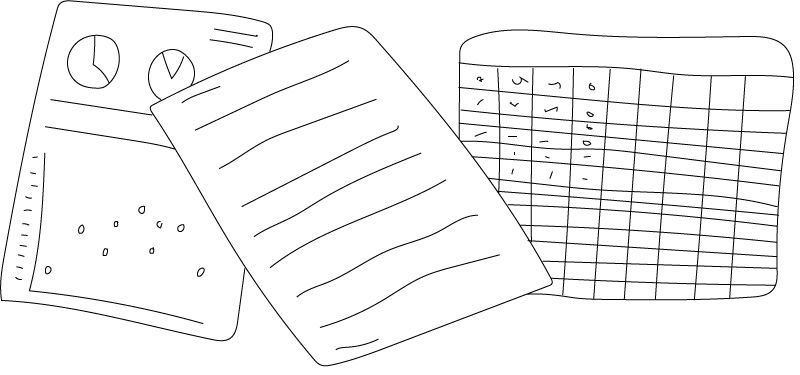
This is the first, most important thing you need to do. Search the internet thoroughly for what you are about to write on. While researching ask yourself:
- How can you do better?
- What is it that you can offer that isn’t already there?
If you have the expertise and can deliver it with a completely fresh perspective then there is no debate on the above questions. However, if there are a lot of articles out there with similar content, don’t be disappointed – quality curated content can be equally rewarding for your readers too.
Brain Storming
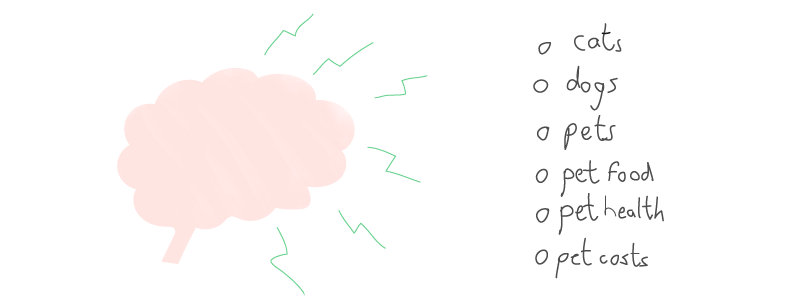
While you research, jot down your content in phrases onto your favourite editor, I use Evernote or Google Docs. Be sure to include the link where you found the information as you may want to use it in the article to back up your point. Don’t worry if none of it makes sense, just get it out of your head and down onto paper (or computer). Slowly it will transform from a muddle of words into a structured article.
Presentation Is Everything
During the brainstorming phase you want to think about visual communication. This is becoming more and more common due to the sheer amount of information available out there in today’s world. For most articles, I prefer to use a simple, bold, high resolution graphic to grab the audience’s attention at first glance. You can keep their attention by using a few tried and tested article elements. The following have been proven to increase engagement of pages.
- Bullet points like this.
- Short sub headings – so they get the idea of what the article is going to be about when scanning the page.
- Use video to cater for audience who don’t like to read! Some people learn better through video/audio so they may prefer to watch a Youtube video rather than skimming through a long article.
Size Matters? It Depends … (on your audience)

Most readers would prefer a concise article to the one that rambles on without saying much. From an SEO standpoint, typically, longer is better as you’ll likely have more long tail keywords in an article that Google bots will pick up on and potentially rank you for.
You need to find out who your audience are. Short articles might not be ideal for SEO, however, it might suit your busy readers who do not have the time to go through long posts. If you do have a lot to say, use in-text links to other internal or external posts that detail the sub topic. This will put your content in a concise, clear and easily scannable format.
When To Post?

Try to find a correlation between the times at which you publish your posts and when you receive peak traffic. This could be unique to you depending on the nature of your content. Time zone of your audience is very important, research indicates the majority of traffic passes during the following:
- Just before work (possibly the commute?).
- During lunch.
- After work (commute).
- Tuesdays and Wednesdays (midweek crisis?).
If you haven’t got a pattern in your stats, experiment for a few weeks by publishing your posts on different days, at different times. This will also help you manage your time better and start you getting in the habit of posting consistently, which also means readers know when to expect fresh content from you. You can even queue your posts to appear later if the publish time is not convenient to your publishing schedule.
Keep Posting and Regularly
I know it is hard to generate constant content. Having a list of potential topics is always useful. Even if short, make sure you do post, you will see a gradual increase in traffic with regular quality content and you will rank higher on Google over time. At a personal level, you will get better and faster at writing. Keep a track of how long you took for your research, brain storming, formatting and editing for each blog post.
Don’t Write and Leave!
Having a call to action is very important. Engage with your audience by inviting comments AND responding to them. Improve continually by measuring your metrics like visits, bounce rates and conversion ratio.
Content Checklist
- Always have your post proof read.
- Stick to short sentences.
- Use facts from your research to back up your opinions.
- Use grammar and spell checker and plagiarism tools (my favourite is plagiarismcheck.org).
For a more detailed checklist check out my Article Checklist freebie which will help you identify any potential downfalls in your article.

About the author
Paul Manwaring: This is where we share a thoughts, tips and research into the world of marketing, design and business. Be sure to follow us on Twitter and Facebook.
Would you like to share your thoughts?
Your email address will not be published. Required fields are marked *